Understanding Chevy Silverado Transmission Issues
The Chevy Silverado is a popular choice among truck enthusiasts and everyday drivers alike. However, like any vehicle, it can experience transmission issues that affect performance, safety, and overall driving experience. Understanding these problems is crucial for maintaining your vehicle and ensuring it runs smoothly.
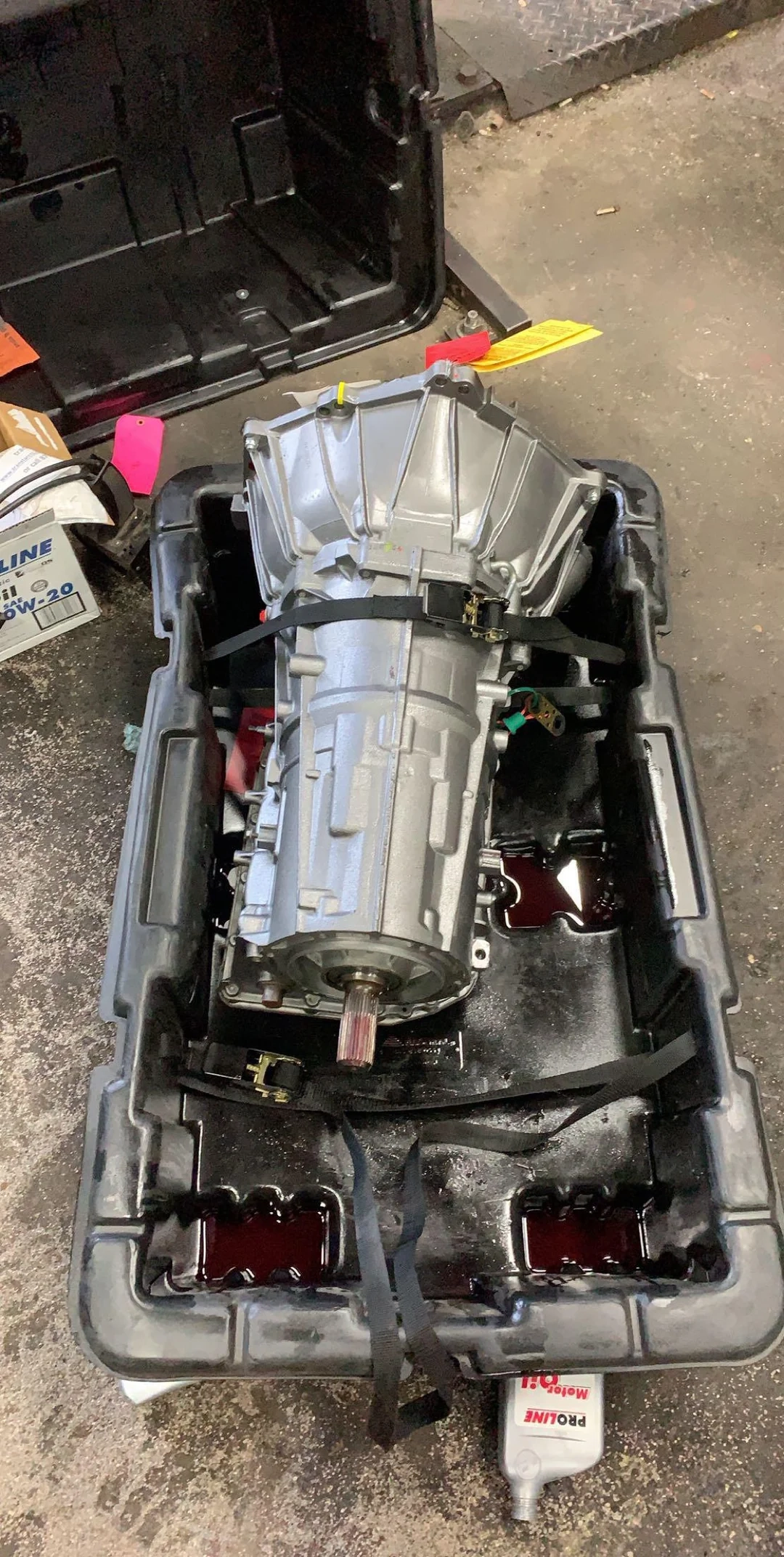
chevy silverado transmission issues
Transmission issues can lead to significant problems if not addressed promptly. They can impact vehicle maintenance, performance tuning, and even safety on the road. For car owners, enthusiasts, or potential buyers, being aware of these issues can save time and money in the long run.
Common Chevy Silverado Transmission Issues
Several transmission issues are frequently reported by Silverado owners. Here are some of the most common problems:
- Slipping Gears: This occurs when the transmission unexpectedly changes gears or fails to stay in gear.
- Delayed Engagement: A noticeable delay when shifting from park to drive or reverse can indicate transmission trouble.
- Fluid Leaks: Transmission fluid leaks can lead to low fluid levels, causing overheating and further damage.
- Noisy Operation: Unusual noises during gear shifts may signal internal transmission issues.
- Error Codes: Check engine lights or error codes related to the transmission can indicate underlying problems.
Causes of Transmission Issues
Understanding the causes of these issues can help in prevention and timely repairs. Common causes include:
- Poor maintenance practices, such as infrequent fluid changes.
- Worn-out components due to high mileage or heavy towing.
- Manufacturing defects in certain model years.
- Overheating due to excessive load or low fluid levels.
Impact on Performance and Safety
The performance of your Chevy Silverado is directly linked to its transmission health. Here’s how transmission issues can affect your vehicle:
- Poor Acceleration: Slipping gears can lead to sluggish acceleration, affecting your driving experience.
- Increased Fuel Consumption: A malfunctioning transmission may cause the engine to work harder, leading to higher fuel costs.
- Safety Risks: Delayed engagement or unexpected gear changes can pose serious safety risks while driving.
Real-World Use Cases
Addressing transmission issues promptly can enhance your vehicle’s performance and longevity. Here are some real-world scenarios:
- Towing Performance: A well-maintained transmission ensures optimal towing capacity without overheating.
- Smooth Driving Experience: Regular checks and maintenance lead to a smoother ride with fewer disruptions.
- Resale Value: Keeping your transmission in good condition can significantly enhance your truck’s resale value.
Tips for Maintaining Your Chevy Silverado Transmission
To prevent transmission issues, consider these maintenance tips:
- Regularly check and change the transmission fluid as per manufacturer recommendations.
- Avoid overloading your truck beyond its towing capacity.
- Pay attention to any unusual sounds or behaviors from the transmission.
- If you notice any warning signs, consult a professional mechanic immediately.
When to Seek Professional Help
If you experience any of the aforementioned issues, it’s essential to seek professional assistance. Ignoring these problems can lead to costly repairs down the line. A qualified mechanic can diagnose and address any underlying issues effectively.
Conclusion
The Chevy Silverado is a reliable truck, but like all vehicles, it requires proper care and attention—especially regarding its transmission. By understanding common transmission issues and their impacts on performance and safety, you can take proactive steps to maintain your vehicle. Regular maintenance not only enhances your driving experience but also safeguards your investment in this iconic truck.