Understanding Chevy Silverado Engine Failures: Causes, Solutions, and Maintenance Tips
The Chevy Silverado is a popular choice among truck enthusiasts for its robust performance and reliability. However, engine failures can occur, impacting the driving experience and safety of the vehicle. Understanding these failures is crucial for current owners and potential buyers alike. This article delves into common engine failures in the Chevy Silverado, their implications, and actionable maintenance tips to ensure longevity and performance.
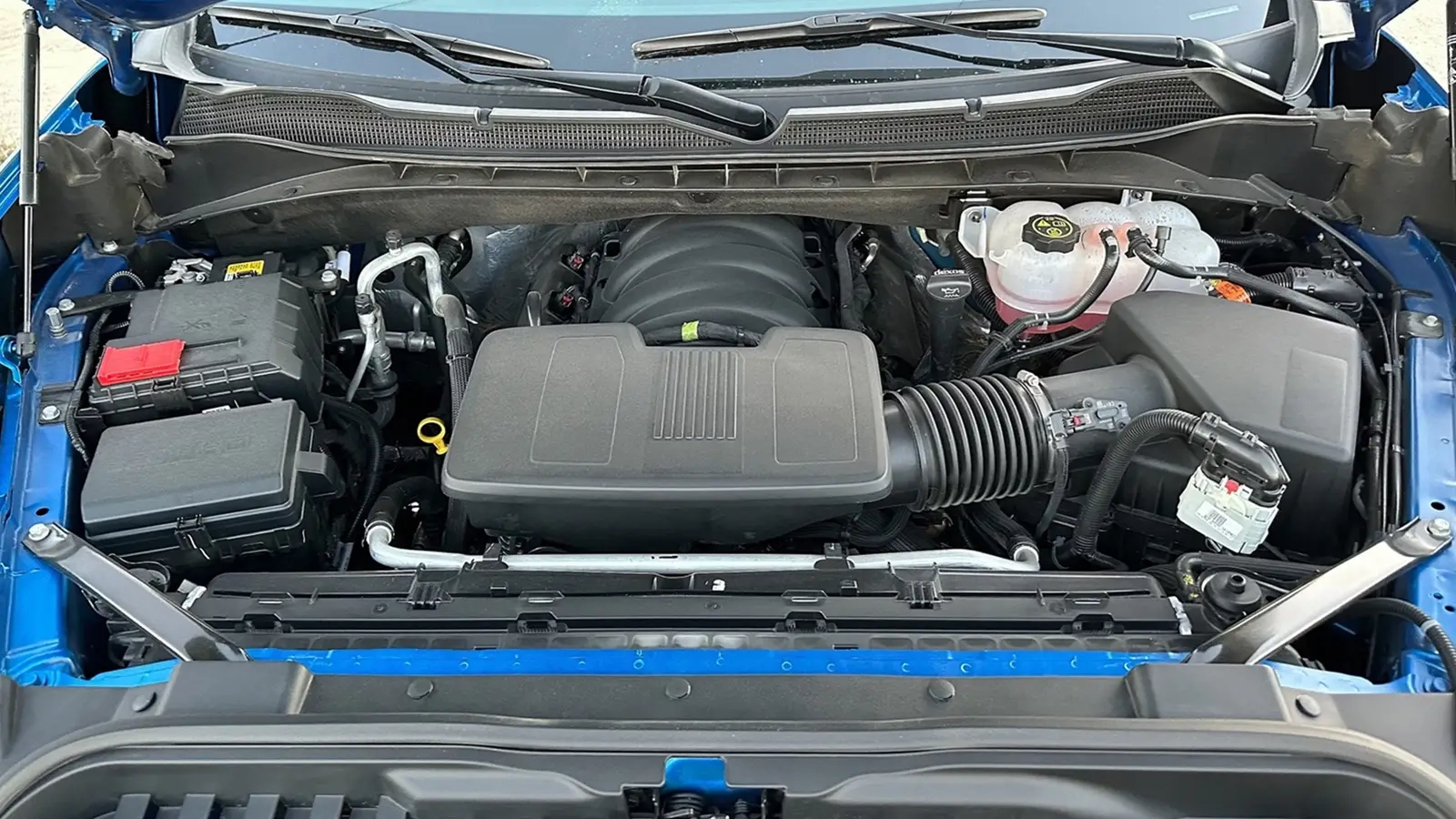
chevy silverado engine failures
The Importance of Recognizing Engine Failures
Engine failures can lead to significant issues, including:
- Decreased performance
- Increased repair costs
- Safety hazards on the road
- Reduced resale value
By understanding the common causes of engine failures in the Chevy Silverado, owners can take proactive measures to maintain their vehicles effectively.
Common Causes of Chevy Silverado Engine Failures
1. Oil Leaks
Oil leaks are a prevalent issue in many Chevy Silverado models. They can lead to low oil levels, causing severe engine damage over time. Regularly checking oil levels and inspecting for leaks can prevent this problem.
2. Overheating
Overheating can result from a faulty cooling system or low coolant levels. It’s essential to monitor the temperature gauge and address any overheating signs immediately to avoid catastrophic engine failure.
3. Timing Chain Issues
The timing chain is critical for engine synchronization. If it wears out or breaks, it can cause significant engine damage. Regular inspections can help identify potential issues before they escalate.
4. Fuel System Problems
A malfunctioning fuel pump or clogged fuel injectors can lead to poor engine performance or failure to start. Keeping the fuel system clean and well-maintained is vital for optimal operation.
Real-World Use Cases: Maintaining Your Chevy Silverado
Proper maintenance can significantly reduce the risk of engine failures. Here are some actionable tips:
- Regular Oil Changes: Change your oil every 5,000 to 7,500 miles to ensure proper lubrication.
- Cooling System Maintenance: Check coolant levels regularly and flush the system as recommended by the manufacturer.
- Tire Pressure Monitoring: Ensure tires are properly inflated to avoid unnecessary strain on the engine.
- Fuel System Cleaning: Use fuel additives periodically to keep injectors clean.
The Impact of Engine Failures on Performance and Safety
Engine failures not only affect performance but also pose safety risks. A malfunctioning engine can lead to unexpected breakdowns or accidents on the road. Understanding these risks is crucial for maintaining a safe driving experience.
Conclusion: Taking Action Against Engine Failures
The Chevy Silverado is a reliable truck, but like any vehicle, it requires regular maintenance to prevent engine failures. By staying informed about common issues and implementing proactive measures, owners can enhance their vehicle’s performance and safety.